
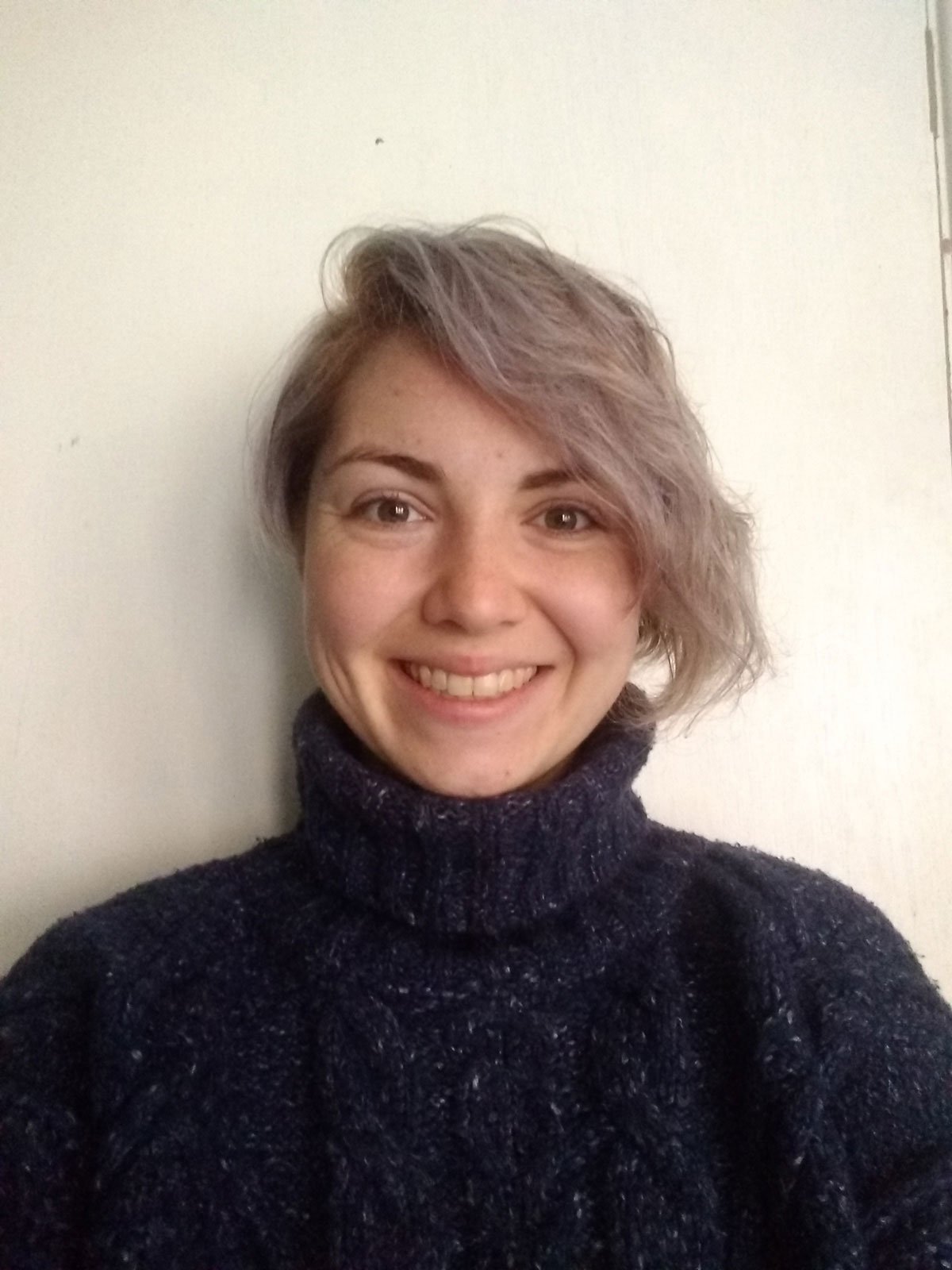
Caoimhe Kerins
I completed my BSc Biochemistry at University College Cork, Ireland, and MSc in Biomedicine at the Karolinska Institute in Stockholm, Sweden. During my Master’s degree, I moved to London to complete my thesis by Erasmus in the lab of Dr Selina Wray at University College London. I then stayed in London as a research technician at King’s College London (lab of Dr Katie Long). My interests are centred on in vitro modelling of diseases and the role of the extracellular matrix in disease.
Academic and Work Experience Prior to Sept 2020 Programme Start
I completed my BSc Biochemistry at University College Cork, Ireland, and MSc in Biomedicine at the Karolinska Institute in Stockholm, Sweden.
During my Master’s degree, I moved to London to complete my thesis by Erasmus in the lab of Dr Selina Wray at University College London. I then stayed in London as a research technician at King’s College London (lab of Dr Katie Long).
My interests are centred on in vitro modelling of diseases and the role of the extracellular matrix in disease.
PhD Programme- Year 1- MRes and Project Rotations
During my first year of the Wellcome Trust ‘Advanced Therapies and Regenerative Medicine’ Four-Year PhD Programme I rotated in 3 different labs:
The Chiappini lab: Investigating how nanoneedles can be used to modulate immune responses in mesenchymal stem cells
The Gentleman lab: Developing in vitro polyethylene glycol hydrogel models of aortic aneurysm
The Lieberam lab: Generating optogenetically controllable iPSC derived myoblasts (skeletal muscle precursor cells)
I learned a wide variety of skills during this first year including hydrogel culture, iPSC culture, electroporation, flow cytometry, handling of nanoneedles and cell culture on nanoneedles, use of various microscopes and deepened my knowledge of coding and bioinformatic analyses.
PhD Programme- Years 2 to 4- Doctoral Studies
For my thesis project I will be supervised by Dr Eileen Gentleman and Dr Ivo Lieberam. This project aims to understand the role of a type of neural extracellular matrix, the perineuronal nets in the selective resistance of certain neuronal populations to cell death in amyotrophic lateral sclerosis (ALS).
This project will involve a wide range of skills such as iPSC culture, mass spectrometry, atomic force microscopy and development of neuronal hydrogel cultures. I hope that this project will contribute to our knowledge of ALS pathology and clarify an unexplored area of ALS.

Cher Shen Kiar
At UCL, I received my undergraduate degree in Biochemistry with a Year in Industry undertaken at Protein Technologies group, GlaxoSmithKline Stevenage. In the past, I was fascinated by the mechanisms of molecular machines that are responsible for the correct functioning of cells. Under Dr Lisa Cabrita's supervision, I explored various methodologies to create 'snapshots' of protein biogenesis to probe the co-translational protein (mis)folding facilitated by the ribosomes. At GSK, I received excellent mentorship from Dr Maja Firczuk and Dr Michael Mullin; I was entrusted to lead the expression technology project which sought to improve mammalian protein expression and secretion through the design of regulatory genetic circuits.
Academic and Work Experience Prior to Sept 2020 Programme Start
At UCL, I received my undergraduate degree in Biochemistry with a Year in Industry undertaken at Protein Technologies group, GlaxoSmithKline Stevenage.
In the past, I was fascinated by the mechanisms of molecular machines that are responsible for the correct functioning of cells. Under Dr Lisa Cabrita's supervision, I explored various methodologies to create 'snapshots' of protein biogenesis to probe the co-translational protein (mis)folding facilitated by the ribosomes.
At GSK, I received excellent mentorship from Dr Maja Firczuk and Dr Michael Mullin; I was entrusted to lead the expression technology project which sought to improve mammalian protein expression and secretion through the design of regulatory genetic circuits. Here, I developed a high-throughput secretion assay and investigated the influence of differential codon adaptation in mammalian secretion efficiency. The experience was intellectually stimulating and rewarding for me as a scientist to contribute to the delivery of innovative, life-saving medicines.
PhD Programme- Year 1- MRes and Project Rotations
I spent my first year exploring various aspects of cell biology and regenerative medicine. In my first rotation supervised by Prof Francesca Spagnoli, I worked on developing CRISPR/Cas9 approach for ex vivo pancreatic culture and probing the influence of extracellular matrix in pancreatic development using ex vivo pancreas model. For the second rotation, I worked with Dr Subhankar Mukhopadhyay to explore the influence of malignant tissue signals on macrophage gene expression through single-cell RNA sequencing analysis. Finally, my third rotation supervised by Dr Alessandra Vigilante sought to build a bioinformatic pipeline for tumour-derived cell-free DNA, to identify predictive clinical markers for metastatic pancreatic cancer.
PhD Programme- Years 2 to 4- Doctoral Studies
Tissue-resident macrophages are highly heterogeneous populations of innate immune cells residing in all tissues as a dispersed organ, with crucial homeostatic, physiological and immunological functions. Their remarkable diversity is dependent on their developmental origins, tissue niche-specific signals and stimulus-dependent activations; however the underlying mechanisms for generating such diversity remain unclear. Studying these cells are difficult as they quickly lose their tissue specificity upon retrieval from specific tissue niches.
For my PhD project, I am working with Dr Subhankar Mukhopadhyay and Dr Andrew Bassett:
to establish methods for converting iPSCs into different tissue-resident macrophages,
to characterise the differences in their epigenetic and metabolic landscapes, and
to generate iPSC-derived ‘designer’ macrophages through synthetic biology approach and examine their preclinical safety and efficacy as cell therapy.
The overall goal for this project is to uncover the molecular control mechanism of diverse macrophage cell fates; with this understanding, we will pioneer the rational design and engineering of iPSC-derived macrophages as advanced therapy to address the unmet medical need in cancer, inflammatory-associated diseases and other macrophage-driven pathologies.

Imogen Brooks
At the Open University I studied for a Certificate of Higher Education in Natural Sciences. From there I went on to the University of Manchester to complete a BSc (Hons) in Developmental Biology. During my industrial experience year, I worked for 9 months at A*STAR in Dr Ernesto Guccione’s lab helping research PRDM10 activity in mouse embryonic stem cells. The summer after, I joined Peter Sarkies lab to work on selection pressure on chromatin condensation using C. elegans mutation accumulation models.
Academic and Work Experience Prior to Sept 2020 Programme Start
At the Open University I studied for a Certificate of Higher Education in Natural Sciences. From there I went on to the University of Manchester to complete a BSc (Hons) in Developmental Biology. During my industrial experience year, I worked for 9 months at A*STAR in Dr Ernesto Guccione’s lab helping research PRDM10 activity in mouse embryonic stem cells. The summer after, I joined Peter Sarkies lab to work on selection pressure on chromatin condensation using C. elegans mutation accumulation models.
For my final year project I joined Dr Sue Kimber’s lab to study TGFβ signalling in chondrogenesis by imaging SMAD2 localisation.
PhD Programme- Year 1- MRes and Project Rotations
During my first year I wanted to gain experience in a wide number of areas within stem cell research. I started in Prof. Georgina Ellison’s lab, looking at the effect of the four key cytokines upregulated in the COVID-19 cytokine storm in cardiac cells, to investigate why COVID-19 can lead to heart damage.
In my second rotation, I joined Dr Joanna Jacków and Prof John McGrath looking at recessive dystrophic epidermolysis bullosa (RDEB) and using base editor to correct mutations in RDEB patient fibroblasts. Additionally, I contributed to the writing of a book chapter on gene editing in skin disease.
In my final rotation, I joined Dr Eileen Gentleman’s group to look at the relationship between MMP-9, stiffness, and spheroid growth in breast cancer cells in synthetic hydrogels.
PhD Programme- Years 2 to 4- Doctoral Studies
For my PhD, I will be co-supervised by Prof John McGrath and Dr Joanna Jacków. My PhD project will be looking at RDEB, and autosomal recessive skin disease which results in skin fragility, blistering, and slow-healing chronic wounds. It has a high risk of mortality in young adulthood due to the prevalence of squamous cell carcinoma. The cause is mutations in the COL7A1 gene, which encodes Type VII collagen. The epidermis and the dermis are secured together in part by anchoring fibrils made of Type VII collagen.
Many attempts of the years have been made to edit the COL7A1 gene as a potential therapy for RDEB, but many mechanisms come by safety concerns. Over the course of my PhD I hope to test base editing and prime editing as tools for correcting COL7A1 with high efficiency and safety. I will look at editing patient derived iPSCs to determine if there is functional restoration of Type VII Collagen in the skin and prevent epidermal-dermal separation.
This work aims to advance the possibility of gene therapies for patients with RDEB.

Jessie Zihui Xu
I completed my BSc in Biochemistry at Imperial College London, during which I examined long-term balancing selection in low-coverage whole-genome sequencing data in the lab of Dr Matteo Fumagalli. Following this, I worked as a clinical AI data intern at SIME Diagnostics Ltd and collated electronic clinical data for neonatal respiratory diseases. I then pursued an MPhil in Genomic Medicine at the University of Cambridge, where I studied the involvement of DNA repair and apoptosis signalling pathways in anti-cancer drug responses using computational methods with Dr Mathew Garnett.
Academic and Work Experience Prior to Sept 2020 Programme Start
I completed my BSc in Biochemistry at Imperial College London, during which I examined long-term balancing selection in low-coverage whole-genome sequencing data in the lab of Dr Matteo Fumagalli. Following this, I worked as a clinical AI data intern at SIME Diagnostics Ltd and collated electronic clinical data for neonatal respiratory diseases. I then pursued an MPhil in Genomic Medicine at the University of Cambridge, where I studied the involvement of DNA repair and apoptosis signalling pathways in anti-cancer drug responses using computational methods with Dr Mathew Garnett.
PhD Programme- Year 1- MRes and Project Rotations
During my first year of the PhD Programme, I explored diverse research areas in the following labs:
The Gentleman lab: Restoring contractile phenotypes of vascular smooth muscle cells in 3D hydrogel models of aortic aneurysm
The Habib lab: Investigating the effect of ageing on Wnt-mediated osteogenesis and the healing bone environment
The Ali lab: Characterising the role of regulatory T cells (Tregs) in developmental immune homeostasis of the oral cavity
PhD Programme- Years 2 to 4- Doctoral Studies
For my thesis project, I have joined the lab of Dr Niwa Ali at the Centre for Stem Cells and Regenerative Medicine. The Ali lab primarily focuses on studying how tissue-resident immune cells affect tissue homeostasis and disease development. My PhD project aims to understand the crosstalk between Tregs and melanoma cancer stem cells and its contribution to the progression of melanoma skin cancer.
The project will primarily utilise in vivo model systems, but also cell culture, multi-colour flow cytometry, advanced molecular profiling including RNA-sequencing, qPCR analysis, spatial transcriptomics and tissue histopathology techniques. I hope that this project will deepen our knowledge of the regulatory mechanisms of CSCs controlled by Tregs and aid the discovery of novel Treg-based immunotherapies for the treatment of melanoma as well as other cancer types.

Maria Cristina Garrone
I completed my undergraduate degree at King’s College London, graduating with a BSc Biochemistry degree. As part of my bachelor’s degree, I joined Rocio Sancho’s lab for a summer research placement to work on the development of iPSC-derived pancreas organoid cell lines to investigate the role of pro-endocrine transcription factors regulating pancreas differentiation. For my final year thesis, I joined the Knight lab to study the role of the histone methyltransferase Ezh2 in tissue repair and organogenesis using a zebrafish in vivo model.
Academic and Work Experience Prior to Sept 2020 Programme Start
I completed my undergraduate degree at King’s College London, graduating with a BSc Biochemistry degree. As part of my bachelor’s degree, I joined Rocio Sancho’s lab for a summer research placement to work on the development of iPSC-derived pancreas organoid cell lines to investigate the role of pro-endocrine transcription factors regulating pancreas differentiation. For my final year thesis, I joined the Knight lab to study the role of the histone methyltransferase Ezh2 in tissue repair and organogenesis using a zebrafish in vivo model.
PhD Programme- Year 1- MRes and Project Rotations
During my first year of the Wellcome Trust ‘Advanced Therapies and Regenerative Medicine’ Four-Year PhD Programme I experienced different aspects of stem cell research. For my first rotation, I joined Dr. Eugene Makeyev’s Lab to investigate how long noncoding RNAs contribute to the maintenance of pluripotency and to the differentiation of pluripotent stem cells into neurons. In my second rotation, I was supervised by Prof. Francesca Spagnoli, I studied the mechanism driving direct lineage reprogramming of hepatocytes into pancreatic cells and its application in cell-replacement therapies. Lastly, in my third rotation in Dr. Rocio Sancho’s lab I focused on dissecting the heterogeneity of iPSC-derived pancreas organoids to better elucidate the differentiation potential of each population. Overall, the rotations taught me how to work with different cell lines, imaging tools and molecular biology assays and allowed me to develop skills in bioinformatics which I had no previous experience with.
PhD Programme- Years 2 to 4- Doctoral Studies
For my thesis project I will be supervised by Dr Rocio Sancho and Dr Alan Hodgkinson. This project focuses on modelling Congenital Hyperinsulinism (CHI), a rare monogenic disorder that leads to recurrent hypoglycaemia in new-borns due to endocrine β-cell dysfunction. By recapitulating this disorder in vitro using patient derived induced Pluripotent Stem Cells (iPSCs), I will investigate the effects of specific genetic variants during pancreas development, β-cell maturation and function.

Sofia Syntaka
I completed my undergraduate degree in Biology at the University of Crete, Greece. For my final year project, I investigated the impact of DNA damage accumulation on macrophages using a transgenic mouse model of ageing. Afterwards, I completed a MRes in Translational Neuroscience at University College London and Queen Square Institute of Neurology. For my thesis, I worked with Professor Sonia Gandhi at the Francis Crick Institute focusing on the generation of microglia from human iPSCs to investigate the role of neuroinflammation in Parkinson’s disease.
Academic and Work Experience Prior to Sept 2020 Programme Start
I completed my undergraduate degree in Biology at the University of Crete, Greece. For my final year project, I investigated the impact of DNA damage accumulation on macrophages using a transgenic mouse model of ageing. Afterwards, I completed a MRes in Translational Neuroscience at University College London and Queen Square Institute of Neurology. For my thesis, I worked with Professor Sonia Gandhi at the Francis Crick Institute focusing on the generation of microglia from human iPSCs to investigate the role of neuroinflammation in Parkinson’s disease.
PhD Programme- Year 1- MRes and Project Rotations
During my first rotation, I worked with Professor Benedikt Berninger at the Centre for Developmental Neurobiology, IoPPN investigating the reprogramming of human glia into induced neurons for brain repair.
In my second rotation, I worked with Dr. Ivo Lieberam at the Centre for Stem Cells & Regenerative Medicine (CSCRM) towards the development of a human iPSC-derived in vitro model of neuroinflammation. Specifically, we used forward reprogramming to derive astrocytes from patient-specific iPSCs and studied their involvement in Amyotrophic Lateral Sclerosis (ALS) in co-cultures with motor neurons.
In my third rotation, I worked with Dr. Subhankar Mukhopadhyay at the MRC Centre for Transplantation to investigate how the immuno-regulatory lipid mediator PGE2 modulates inflammatory responses in human iPSC-derived microglia.
PhD Programme- Years 2 to 4- Doctoral Studies
For my PhD project, I will work with Dr Ivo Lieberam and Professor Sonia Gandhi at the CSCRM and the Francis Crick Institute. The project will focus on iPSC-derived glial cells to uncover the role of neuroinflammation in ALS, a neurodegenerative disorder characterised by a progressive loss of motor neurons in the cerebral cortex, spinal cord and brainstem.

Abigail Isaacson
I completed my Master’s degree in regenerative medicine at UCL and afterwards gained experience in corneal tissue engineering using 3D bioprinting at Newcastle University. Following this, I worked as a research assistant at the Sanger Institute where I helped to establish a pipeline for genetic knockout studies on induced pluripotent stem cell (iPSC)-derived hepatocytes.

Academic work and experience prior to September 2019
I completed my Master’s degree in regenerative medicine at UCL and afterwards gained experience in corneal tissue engineering using 3D bioprinting at Newcastle University.
Following this, I worked as a research assistant at the Sanger Institute where I helped to establish a pipeline for genetic knockout studies on induced pluripotent stem cell (iPSC)-derived hepatocytes.
PhD Programme- Year 1- MRes and Project Rotations
This particular PhD programme interested me because of the broad interdisciplinary research carried out at King's and the training in both computational and experimental methods for this purpose.
During my MRes year I completed 3 different rotation projects that were wide-ranging and encompassed research into in situ tissue regeneration, muscular dystrophy, and the discovery of a novel mutation implicated in monogenic diabetes. I undertook my first rotation project in Professor Abigail Tucker's lab where I monitored the movement of potential stem cell populations during eardrum repair, both in vivo and in eardrum explants.
During my second rotation project in Professor Peter Zammit’s lab, I focused on the computational prediction of regulators of DUX4, a gene that is derepressed in Facioscapulohumeral muscular dystrophy (FSHD), from single-cell trajectory data.
I completed my final rotation project during the UK COVID-19 lockdown in Dr Francesca Spagnoli’s lab where I carried out gene ontology term enrichment analysis on differently expressed genes during different stages of in vitro pancreatic beta cell differentiation of a mutant iPSC line. The mutation introduced into this cell line had previously been identified as a disease-causing candidate in a cohort of patients with early-onset diabetes. The skills I gained during this year were enhanced by the many different workshops provided by King’s that enabled me to take a comprehensive approach when tackling different scientific questions.
PhD Programme- Years 2 to 4- Doctoral Studies
For my PhD project I have joined Dr Spagnoli’s lab in the Centre for Stem Cells and Regenerative Medicine. I am interested in understanding the molecular mechanisms underlying development and the maintenance of cell identity with a view to harnessing these for the generation of cell therapies. My PhD project is aimed at understanding the function of Pbx1, a homeodomain transcription factor, in both the developing and adult pancreas.
Pbx1 activity is essential for early pancreatic development as embryos with homozygous deficiency of Pbx1 exhibit pancreatic hypoplasia and cell differentiation defects prior to death in utero at E15.5. Using a conditional Cre-Lox system, we will focus on Pbx1 deletion in pancreatic epithelium at various stages of mouse development and in the adult pancreas. I will establish an iPSC model to assess whether developmental mechanisms involving Pbx1 observed in mice are also conserved in humans. I will also construct a gene regulatory network of the pancreatic epithelium using Chromatin Immunoprecipitation (ChIP) and RNA sequencing data at various developmental stages to test Pbx1 targets. This project has great potential for advancing the field of diabetes research and for the in vitro recapitulation of pancreatic development for cell therapies.

Elena Drudi
I completed my undergraduate degree in Biomedical Engineering at Imperial College London. During my time there I became interested in how mechanical forces affect tissues in the body. In my third-year project I looked at the effect of mechanical forces on wound repair. For my master’s project I studied the effects of mechanical forces on endothelial cells and how this relates to the activation of the Wnt signalling pathway.

Academic and Work Experience Prior to Sept 2019 Programme Start
I completed my undergraduate degree in Biomedical Engineering at Imperial College London. During my time there I became interested in how mechanical forces affect tissues in the body.
In my third-year project I looked at the effect of mechanical forces on wound repair. For my master’s project I studied the effects of mechanical forces on endothelial cells and how this relates to the activation of the Wnt signalling pathway.
PhD Programme- Year 1- MRes and Project Rotations
During my first year in the Wellcome Trust ‘Cell Therapies and Regenerative Medicine’ PhD Programme I have had the opportunity to learn many new skills:
In my first rotation with Dr Eileen Gentleman I used a novel hydrogel system to study the effect of different microenvironment stiffnesses on leukaemia cells.
In my second rotation, under the supervision of Dr Tanya Shaw, I studied the extracellular matrix composition of cancer associated fibroblasts and healthy fibroblasts. The aim was to understand if there is a link between immune response and fibrotic formation.
In my final rotation with Professor Steven Sacks and Dr Giorgia Fanelli during the UK COVID-19 lockdown, I learned how to write a review article. The review article focused on the current progress in complement inhibition-based therapy for the management of age-related macular degeneration.
PhD Programme – Years 2 to 4 – Doctoral Studies
To date, a complete mediation of scarring has not been achieved, but it is known that extracellular matrix (ECM), part of the connective tissue of the skin, is one of the main components that is changed during wound healing. Therefore, mediating the ECM might be key in reducing scarring. In the skin many different types of scars can occur, however there are some which are pathological and reduce the quality of life of patients, such as in keloid disease and recessive dystrophic epidermolysis bullosa (RDEB). Recent studies have shown that the ECM in keloids has unique characteristics compared with that from normal scars and skin. These could be similar in RDEB due to their similar fibrotic condition.
In my project I will start with transcriptional profiling to identify distinct qualities between normal skin and fibrotic skin diseases (keloids and RDEB). I will use the acquired information to run a compound screen to see if ECM can be restored to a healthy state. If successful targets have been shown to change the ECM, I will further study the specific pathways they activated. All the previous steps are using a specific technique where cells deposit their own ECM, known as cell derived matrix (CDM). The last step will compare the discovered in-vitro information to ex-vivo and in-vivo models. This will give a more conclusive picture on whether the skin is healing with a reduced amount of scarring.

Elise Engquist
I completed my bachelor’s degree in biology at Bowdoin College in Maine, USA, and after graduating I worked as a Research Assistant in the Melton Lab at the Harvard Stem Cell Institute in Massachusetts, USA. While working there, I studied part-time to receive a Master of Liberal Arts degree in Biotechnology Management from the Harvard Extension School.

Academic and Work Experience Prior to Sept 2019 Programme Start
I completed my bachelor’s degree in biology at Bowdoin College in Maine, USA, and after graduating I worked as a Research Assistant in the Melton Lab at the Harvard Stem Cell Institute in Massachusetts, USA.
While working there, I studied part-time to receive a Master of Liberal Arts degree in Biotechnology Management from the Harvard Extension School.
PhD Programme – Year 1 – MRes and Project Rotations
During my first year, I explored many diverse areas of stem cell biology. For my first rotation I joined the lab of Prof. Peter Zammit, where I used muscle stem cells from patients with facioscapulohumeral muscular dystrophy (FSHD) to investigate how oxidative stress and metabolic dysfunction contribute to the muscle-wasting observed in disease pathology.
My second rotation was with Prof. Paul Sharpe’s group, where I explored how loss of mechanosensing affects mesenchymal stem cells in the dental pulp of the adult mouse incisor. My third rotation, which I completed with Dr. Franziska Denk and Prof. Leonie Taams during the UK COVID-19 lockdown, was an interdisciplinary project examining the role of neuro-immune interactions in chronic pain in patients with rheumatoid arthritis.
PhD Programme – Years 2 to 4 – Doctoral Studies
For my thesis project I have joined the lab of Professor Peter Zammit. The Zammit group studies skeletal muscle with a particular emphasis on facioscapulohumeral muscular dystrophy (FSHD), an autosomal dominant muscular dystrophy involving progressive skeletal muscle weakness and wasting. Muscle normally repairs efficiently due to resident stem cells, but loss of muscle mass in FSHD indicates a compromised repair mechanism.
Over the course of my PhD, I aim to characterize muscle stem cells in FSHD by examining protein and gene expression in muscle biopsies from FSHD patients. I also aim to explore the dynamics of how FSHD affects development and function of muscle stem cells, as well as subsequent myofiber formation and regeneration, using induced pluripotent stem cells from FSHD patients and in vivo models.
This work will inform whether deficits in muscle stem cell function contribute to the muscle wasting observed in FSHD pathology, and explore potential regenerative therapies.

Eva Hamrud
I completed a bachelor’s degree in Natural Sciences at University of Cambridge and a master’s degree in biotechnology at Imperial College London. I then worked for two years at AstraZeneca in Gothenburg, Sweden.

Academic and Work Experience Prior to Sept 2019 Programme Start
I completed a bachelor’s degree in Natural Sciences at University of Cambridge and a master’s degree in biotechnology at Imperial College London. I then worked for two years at AstraZeneca in Gothenburg, Sweden.
PhD Programme – Year 1 – MRes and Project Rotations
My first rotation was a joint project between Davide Danovi and Eileen Gentleman. I used live imaging and particle tracking to develop a workflow for microrheology measurements. Microrheology is a method that detects local changes in material stiffness. The workflow was used to measure the ability of immune cells to remodel their hydrogel environment in an organoid model system for inflammatory bowel disease.
I carried out my second rotation with Andrea Streit investigating neural tube patterning in the developing chick embryo. I worked both experimentally collecting embryos for single cell sequencing experiments, and computationally analysing the results of previous datasets to identify transcription factors that could be important for neural tube patterning.
In my final rotation, I worked remotely during the UK COVID-19 lockdown with Cynthia Andoniadou to characterise the WNT signalling landscape in the different cells of the anterior pituitary. I analysed single cell sequencing datasets from three different timepoints to identify the different cell types and searched for differences in WNT-related gene expression between cell types.
PhD Programme – Years 2 to 4 – Doctoral Studies
My PhD project aims to identify the gene regulatory network underlying cell fate choices during placode development. My supervisors are Andrea Streit and Nick Luscombe. Placodes are thickenings of ectoderm in the vertebrate embryo which give rise to the essential sensory system of the head. Although a lot of research has focused on signalling, cell movements and timings of placode development, a mechanistic understanding of how placodal progenitors differentiate into cranial placodes is still missing.
The aim of this project is to reconstruct the molecular circuitry, the gene regulatory network, that drives cell fate decisions in developing placodes. This will make use of single cell gene expression and ATAC-seq data and subsequent perturbation analysis in the chick. Increasing our understanding of placode development will enable us to understand the mechanism behind a range of congenital diseases which can cause hearing loss and craniofacial malformations. More broadly, this study hopes to reveal general principles of cell fate decisions and expand our range of tools to study them in other contexts.
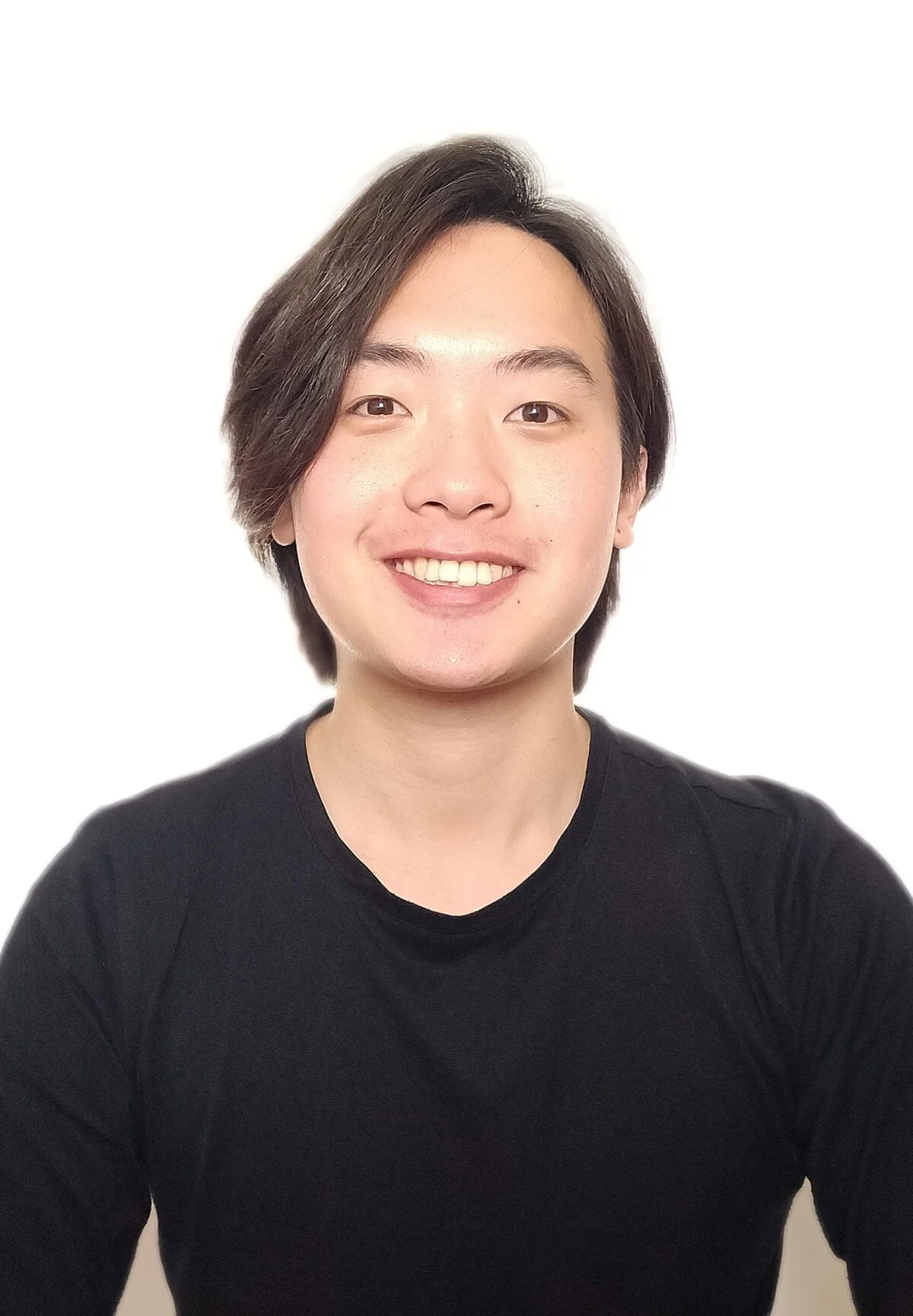
Matthew Wai Heng Chung
I obtained my bachelor’s degree in Biomedical Sciences and MPhil in Structural Biology at the University of Hong Kong. I completed an MSc in Health Data Science at University College London.

Academic and Work Experience Prior to Sept 2019 Programme Start
I obtained my bachelor’s degree in Biomedical Sciences and MPhil in Structural Biology at the University of Hong Kong. I completed an MSc in Health Data Science at University College London.
PhD Programme – Year 1 – MRes and Project Rotations
During the first year of the programme I completed three rotations all related to the digestive system:
Intestinal organoids response to type 3 innate lymphoid cell cytokines – Dr Joana Neves and Dr Rocio Martinez-Nunez.
Pancreas development and the contribution of epithelial-mesenchymal interaction informed by single-cell RNA sequencing – Dr Francesca Spagnoli and Dr Alessandra Vigilante.
Liver regeneration pathway discovery using network bioinformatics to integrate single-cell transcriptome and interactome databases – Dr Tamir Rashid, Prof Francesco Dazzi, with generous help from Prof Franca Fraternali during the UK COVID-19 lockdown.
PhD Programme – Years 2 to 4 – Doctoral Studies
I will be working with Dr Subhankar Mukhopadhyay and Prof Alberto Sanchez-Fueyo to study macrophages. Macrophage is a key cell type in the innate immune system that is ubiquitously distributed in almost every tissue and organ of the body and carries out a variety of homeostatic and immune functions. A balance between macrophage activation, regulation and its reparative function is critical to restoring tissue homeostasis without compromising host defence.
Excessive macrophage activation contributes to many inflammatory diseases including inflammatory bowel disease (IBD) and non-alcoholic fatty liver disease (NAFLD). Thus, resetting the optimal balance of macrophage activation is an attractive therapeutic strategy to prevent or treat organ-specific inflammatory diseases. During my PhD, I will use human iPSC-derived macrophages to investigate how they become activated after tissue damage, particularly through scavenger receptors in collaboration with other pattern recognition receptors.
I will also study how the IL-10/PGE2 axis and regulatory T cells limit macrophage activation, which will be validated in a mouse liver injury model. A full understanding of these mechanisms will guide the development of potential therapeutic targets that harness specific macrophage properties for clinical benefit.

Nathalia Almeida dos Santos
For my bachelor’s degree, I completed the course of Biomedical Sciences at the Federal University of São Paulo. In the third year of this course, I was awarded a scholarship from the Brazilian government to complete an exchange year at the University of Sheffield. When returning, I completed my bachelor thesis with Prof Patricia Beltrão Braga, in which I developed a 3D model of the developing brain using iPSC-derived neural progenitor cells. To carry on with my interest in neuroscience, I was thrilled to receive the Goethe Goes Global scholarship to complete a master’s degree in Interdisciplinary Neuroscience at the Goethe University of Frankfurt. My master thesis with Dr Julia Ladewig involved optimising protocols to derive forebrain organoids from iPSCs.

Academic and Work Experience Prior to Sept 2019 Programme Start
For my bachelor’s degree, I completed the course of Biomedical Sciences at the Federal University of São Paulo. In the third year of this course, I was awarded a scholarship from the Brazilian government to complete an exchange year at the University of Sheffield.
When returning, I completed my bachelor thesis with Prof Patricia Beltrão Braga, in which I developed a 3D model of the developing brain using iPSC-derived neural progenitor cells. To carry on with my interest in neuroscience, I was thrilled to receive the Goethe Goes Global scholarship to complete a master’s degree in Interdisciplinary Neuroscience at the Goethe University of Frankfurt.
My master thesis with Dr Julia Ladewig involved optimising protocols to derive forebrain organoids from iPSCs.
PhD Programme – Year 1 – MRes and Project Rotations
For my rotations, I wanted to branch out from neuroscience and learn more about stem cells in different contexts.
In Dr Rocio Sancho’s lab I experimented with the culture conditions of pancreas organoids protocols, and validate interactors playing a role during endocrine differentiation;
I joined Prof Michael Malim to define how the HIV-1 life cycle changes in iPSC lines coming from different donors showing extreme infection phenotypes, and to establish a protocol to generate iPSC-derived macrophages.
Finally for the third rotation, I joined Dr Joana Neves. We had initially planned to establish a protocol to obtain innervated human intestinal organoids to tackle whether Parkinson’s disease can be initiated in the gut. However, due to Covid-19 UK lockdown, we instead wrote a grant to obtain funding for this project, which was submitted to the Royal Society research grant scheme, and analysed previous data from the lab using Ingenuity Pathway Analysis (IPA) to understand α-Synuclein overexpression in mouse small intestinal organoids co-cultured with innate lymphoid cells.
PhD Programme – Years 2 to 4 – Doctoral Studies
For my PhD project, I have chosen to join the Malim lab. I was drawn to this project because the influence of host genetic factors upon HIV-1 infection is still not fully elucidated. Since the virus relies on the host cell machinery and proteins to replicate, host genetics are a key determinant not only of the proteins expressed but also of their functional capabilities – which will thus dictate the outcome of virus infection.
My research will then link the natural occurring genetic variation found in the human population with the inherent variability in the capacity of cells from different individuals to support HIV-1 growth. I will work with well characterised iPSCs from the HipSci bank to obtain macrophages, which are natural targets of HIV-1 infection. I will then characterise how the virus infects and replicates in macrophages, and employ a bespoke bioinformatics pipeline to compare the genome sequences and transcriptomes of cells showing extreme infection phenotypes.
With this approach, I hope to identify novel host factors that can regulate viral replication and that my results will add new insights into the understanding of HIV-1 infection and disease (AIDS) and suggest avenues to be explored as potential novel therapeutic strategies to treat and control HIV-1.

Victoria Tsang
I completed my Bachelor’s degree in Biomedical Sciences at Queen Mary, University of London. Whilst there, I did my final year dissertation at William Harvey Research Institute on exploring the process of ubiquitination on the NF-κB activation downstream of TLR7 signalling. I joined an MRes in Cancer Biology at Imperial College London to acquire more diverse laboratory skills. For my first master rotation at the Francis Crick Institute, I had the opportunity to work with CyTOF and imaging mass cytometry to investigate the immune profile of Kras driven lung tumours from mice. Along with the design of an antibody panel and the optimisation of the protocol, I learned the use of current softwares and developed image analysis pipelines.

Academic and Work Experience Prior to Oct 2019
I completed my Bachelor’s degree in Biomedical Sciences at Queen Mary, University of London. Whilst there, I did my final year dissertation at William Harvey Research Institute on exploring the process of ubiquitination on the NF-κB activation downstream of TLR7 signalling.
I joined an MRes in Cancer Biology at Imperial College London to acquire more diverse laboratory skills. For my first master rotation at the Francis Crick Institute, I had the opportunity to work with CyTOF and imaging mass cytometry to investigate the immune profile of Kras driven lung tumours from mice. Along with the design of an antibody panel and the optimisation of the protocol, I learned the use of current softwares and developed image analysis pipelines.
I further expanded my interest in the immune infiltrate at a molecular level where I studied how Ras signalling modulates inflammation and efferocytosis in macrophages. At Barts Cancer Institute, my dissertation involved the co-culture of apoptotic cancer cells with bone marrow-derived macrophages from an inducible mouse model in which the RAS-PI3K interaction can be disrupted.
Following my degree, I explored the effects of acute or chronic UV irradiation on immune cell populations in mice models as a research assistant with Dr Emanuel Rognoni in the Centre for Stem Cells and Regenerative Medicine. I also established decellularised dermis organotypics in culture from adult and neonatal mouse skin to study fibroblasts ex vivo in 3D under homeostatic conditions.
PhD Programme – Years 2 to 4 – Doctoral Studies
My PhD project will investigate Glioblastoma cells migration with supervisors, Dr Davide Danovi and Dr Ciro Chiappini. Glioblastoma Multiforme (GBM) is the most common and most aggressive brain tumour in adults. Despite current advances, survival remains over a year from diagnosis and treatment-resistant residual GBM subpopulations infiltrate axon bundles inevitably causing recurrence. Research is critically needed to develop innovative therapies targeting these infiltrating cells. This project will explore the signalling cues and pathways that are essential for GBM cells migration and infiltration on nerve bundles.
We aim to:
develop a robust workflow to characterise and quantify the migration of a panel of GBM cells using high content imaging pipelines;
define variation in the migration properties in populations and subpopulations of several patient-derived GBM cultures;
decorate artificial substrates with the identified relevant signals to obtain a comparable GBM cells migration to that on a nerve and compare migration of cells on those migratory substrates. Stem cell-derived axon bundles will be used as migratory substrates and in parallel, polycaprolactone electrospun nanofibers with defined physical properties will be bio-functionalised with peptide and protein signals.
The main deliverable of this project is to define the relevant signals which guide the migration of GBM cells. The translational output is an assessment of the robustness of this platform as a screening bed for chemical compounds specifically acting on the migration of glioblastoma cells. Moreover, the definition of a ‘fake-nerve’ substrate approach could potentially also offer innovative precision-medicine approaches towards new therapies and medical devices.

Jana Obajdin
I obtained a Bachelor’s degree in Biochemistry with a Year in Industry at the University of Leeds. During this time, I spent a year working in the Investigative Toxicology group at UCB BIoPharma in Belgium exploring novel biomarkers of drug-induced kidney injury for toxicity assessments. I then completed my undergraduate thesis project in the lab of Alan Berry working on structural studies to uncover the crystal structure of IdmH, a putative polyketide cyclase and an enzymatic component of the NRPS/PKS system which generates the antibiotic indanomycin.

Academic and Work Experience Prior to Sept 2016 Programme Start
I obtained a Bachelor’s degree in Biochemistry with a Year in Industry at the University of Leeds. During this time, I spent a year working in the Investigative Toxicology group at UCB BIoPharma in Belgium exploring novel biomarkers of drug-induced kidney injury for toxicity assessments.
I then completed my undergraduate thesis project in the lab of Alan Berry working on structural studies to uncover the crystal structure of IdmH, a putative polyketide cyclase and an enzymatic component of the NRPS/PKS system which generates the antibiotic indanomycin.
PhD Programme – Year 1 – MRes and Project Rotations
During my first year of the Wellcome Trust 'Cell Therapies and Regenerative Medicine' Four-Year PhD Programme I completed three different rotations:
I worked under the supervision of Dr Alessandra Vigilante, using bioinformatic tools to assess genetic factors which contribute to HIV-1 infectivity levels using human induced pluripotent stem cell (hIPSC) lines.
Under the supervision of Dr Joana Neves and Dr Franziska Denk, I established a triple co-culture system between small intestinal organoids, sensory neurons and innate lymphoid cells type 2 (ILC2s) to study neuro-immune-epithelial interactions.
My final rotation was spent in the lab of Dr John Maher where also under the supervision of Dr Marc Davies, I worked on generating chimeric antigen receptor (CAR) T-cells and assessing their efficacy against solid tumours.
PhD Programme – Years 2 to 4 – Doctoral Studies
CD8+ T-cells are predominantly responsible for the detection and elimination of cancerous cells, recognising tumour-associated antigens (TAAs) presented on major histocompatibility complex (MHC) molecules via their T-cell receptor (TCR). However, tumours may adapt by downregulating MHC expression or altering TAAs. Chimeric antigen receptor (CAR) T-cells are genetically modified to express TAA-specific receptors, expanding the repertoire of targetable antigens without MHC restriction.
Effective T-cell activation requires a stimulatory signal provided by TCR components and a co-stimulatory receptor signal. First-generation CARs provided only the stimulatory component, however second-generation constructs incorporating the additional co-stimulatory domain demonstrate superiority. We will generate second-generation CARs using the activating natural killer cell group 2D (NKG2D) receptor as the targeting moiety. NKG2D targets eight ligands expressed on most haematological and solid tumours, expressed at low levels on healthy tissue, and upregulated specifically in transformed cells. We will be comparing previously described NKG2D CARs for their ability to re-target T-cell specificity against a range of solid tumour cell lines and generate novel constructs which encompass different variations of activating and co-stimulatory components.
We will assess anti-tumour efficacy, cytokine secretion and safety both in vitro and mouse xenograft models. We then plan to conduct an RNAseq analysis to compare CAR T-cells with varying anti-tumour potencies to uncover key differentially expressed genes which contribute to the phenotypic and functional differences, and mechanistic insights into their efficacy, including information on signalling pathways activated, their metabolic status and differentiation.
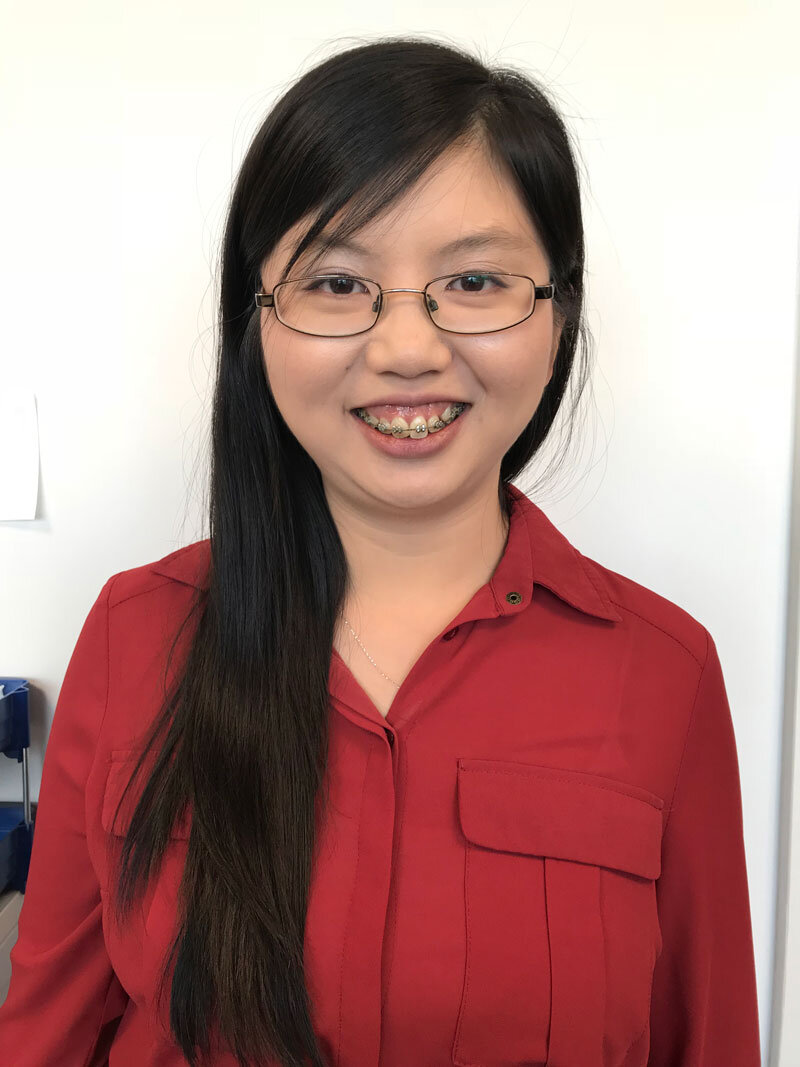
Prudence Lui
I completed a MSci in Genetics at University College London. I then spent two and a half years working as a research technician in Dr Filipe Cabreiro’s microbiology-metabolism lab, exploring the three-way host-microbiome-environment relationship, using a C. elegans model.

Academic and Work Experience Prior to Sept 2018 Programme Start
I completed a MSci in Genetics at University College London. I then spent two and a half years working as a research technician in Dr Filipe Cabreiro’s microbiology-metabolism lab, exploring the three-way host-microbiome-environment relationship, using a C. elegans model.
PhD Programme – Year 1 – MRes and Project Rotations
In my first year, I completed three rotations exploring different scientific fields:
the optimization of TAZ overexpression in pituitary primary cell model, by developing a lentivirus, with Dr Cynthia Andoniadou,
the characterisation of tissue-resident immune cell subsets in three cutaneous models of acute inflammation, using flow cytometry, with Dr Niwa Ali, and
modelling conventional dendritic cells differentiation from human induced pluripotent stem cells with Dr Pierre Guermonprez. Collectively, these three rotations equipped me with a number of research techniques, such as mouse genetics, flow cytometry, functional assays, and imaging, but importantly, they confirmed my growing interest in immunology.
PhD Programme – Years 2 to 4 – Doctoral Studies
For my PhD project, I have joined Dr Niwa Ali’s Lab, in functionally characterizing Jagged1 expressing skin-resident regulatory T cells (Jag1+ Tregs) in epithelial stem cell homeostasis. Regulatory T-cells (Tregs), are one of the central immune players in maintaining immune homeostasis. While Tregs are famous for their immunosuppressive functions, we only begin to explore their non-immune, tissue-specific role as regulators of stem cell activity and tissue metabolism.
Recently, our lab has shown that skin resident Tregs are indispensable in facilitating adult hair regeneration, via promoting epithelial stem cell activity. We found Notch ligand, Jagged1 (Jag1), is a critical component in mediating the crosstalk between Tregs and hair follicle stem cells. Yet, the induction of Jag1 in skin Tregs, the phenotype of this subset (Jag1+Tregs), and the functional mechanism(s) directly or indirectly influencing HFSCs remain mostly unknown.
My project will focus on two major aims. First, I will attempt to understand the role of Jag1 in regulating the phenotype and function of skin Tregs. Using mouse genetics, I aim to identify the temporal window of which Jag1 is required during adult hair follicle cycle. Through genome-wide transcriptome profiling, complemented with functional knockout models, I will define how Jag1 influence HFSCs and Tregs functions. Second, I seek to elucidate how Jag1 expression is induced and maintained on skin Tregs, using different well-established knockout models.
This project will lay the foundation for our understanding of how Jag1 facilitates immune-stem cells crosstalk, and subsequently regulates murine hair regeneration. More importantly, it may reveal if skin-resident Tregs can be used as therapeutic targets for tissue-regenerative disorders, such as hair loss.

Thea Willis
I completed my undergraduate degree in Molecular and Cellular Biology at the University of Bath. During my degree, I undertook a placement year to research novel autophagy adaptor proteins in redox homeostasis under Professor Luo at the Peninsula Schools of Medicine and Dentistry. When I returned to Bath for my final year, I joined Professor Tosh’s lab where I was involved in the characterization of novel transcription factors associated with transdifferentiation events that occur in Barrett’s Oesophagus disease.

Academic and Work Experience Prior to Sept 2018 Programme Start
I completed my undergraduate degree in Molecular and Cellular Biology at the University of Bath. During my degree, I undertook a placement year to research novel autophagy adaptor proteins in redox homeostasis under Professor Luo at the Peninsula Schools of Medicine and Dentistry.
When I returned to Bath for my final year, I joined Professor Tosh’s lab where I was involved in the characterization of novel transcription factors associated with transdifferentiation events that occur in Barrett’s Oesophagus disease.
PhD Programme – Year 1 – MRes and Project Rotations
For my first rotation I worked with Dr Guermonprez to optimise the differentiation of iPSCs into hematopoietic stem cells and dendritic cells.
During my second rotation with Dr Andoniadou I learnt how to analyse single cell RNA sequencing data using bioinformatics and used this to investigate heterogeneity in the stem cell compartment of the pituitary gland. As well as learning some bioinformatics, I used mouse models and in vitro staining techniques to learn about these novel sub-populations (see image).
For my final rotation I joined the lab of Dr Charalambous to research the transcriptional regulation of ZAC1 on imprinted genes using CUT&RUN, a new epigenomic profiling strategy.
PhD Programme – Years 2 to 4 – Doctoral Studies
For my PhD project I have chosen to join the lab of Dr Cynthia Andoniadou to investigate the stem cell population of the pituitary. The pituitary gland controls processes such as growth, pregnancy, response to stress and metabolism. Subsequently, this gland has to remain plastic to respond to ever-changing demands for hormones throughout life, and does so, in part, through changes in the tissue-specific stem cell population.
This stem cell population is inherently heterogenous, with undefined subgroups promoting self-renewal, whilst others commit to hormone-specific lineages or remain quiescent. Furthermore, recent data from our lab has implicated Hippo pathway effector proteins YAP/TAZ as crucial for maintaining homeostasis within the stem cell population, with dysregulation causing tumourigenesis. In addition, WNT ligands have been shown to be secreted from a subgroup of the stem cells, promoting the proliferation of fate-determined progenitor populations to maintain the postnatal gland. Two branches of novel investigations are necessary to elucidate the importance and function of different subgroups within this heterogenous stem cell population.
Firstly, bioinformatic approaches will be utilised to identify specific subpopulation markers for assessment of stem cell potential and function in vitro and in vivo. Secondly, levels of interplay between Hippo and WNT signalling will be assessed in these cells, utilising proximal-protein interaction assays and analyses of mutant murine lines. Uncovering the extent of heterogeneity within the postnatal pituitary stem cell compartment and cross-talk between the WNT and Hippo pathways is key to understanding their potential for regenerative therapies to treat prevalent pituitary disorders.

Wladislaw Stroukov
I completed my undergraduate degree in Molecular Medicine and a master’s degree in Biochemistry and Biophysics at the Albrecht Ludwig University of Freiburg.

Academic and Work Experience Prior to Sept 2018 Programme Start
I completed my undergraduate degree in Molecular Medicine and a master’s degree in Biochemistry and Biophysics at the Albrecht Ludwig University of Freiburg.
PhD Programme – Year 1 – MRes and Project Rotations
During my first rotation project I worked with Dr. Francesca Spagnoli focussing on the in vitro generation of insulin-secreting pancreatic β-cells from human pluripotent stem cells.
During my second rotation I joined Dr. Shukry Habib’s group and investigated the early signal recruitment of mouse embryonic stem cells in the context of self-renewal.
In my final rotation I worked with Prof. Giovanna Lombardi and Dr. Cristiano Scotta and investigated the phenotype and function CD101+ regulatory T cells in patients with systemic lupus erythemasosus.
PhD Programme – Years 2 to 4 – Doctoral Studies
Systemic lupus erythematosus (SLE) is a heterogeneous autoimmune disorder primarily affecting women between early adolescence and menopause. Characteristic for SLE is the dysregulation of the immune system leading to systemic inflammation and tissue damage. Regulatory T cells (Tregs) which suppress excessive immune responses lose their ability to appropriately suppress other immune cells. Analysis of the transcriptional signature in Tregs identified markers that might be involved in disease progression. One of the identified markers is the surface protein CD101 which is present on highly suppressive Treg subsets in mouse models and patients with active SLE exhibit a near complete loss of this subpopulation.
With this project, we propose a multi-faceted approach of phenotypic and functional characterisation of CD101+ Tregs in established cell culture assays and mouse models to validate their suitability for potential adoptive cell therapies. High-dimensional analysis will provide a personalised deep- phenotypic and transcriptomic signature of immune cells and correlate these data to disease progression. Thus, delivering a detailed profile of the subset distribution of Tregs and other cell types affected by the loss of Treg function in SLE. Thereby, we aim to provide detailed insights into the pathophysiology of this heterogeneous disease and identify potential diagnostic markers that facilitate patient-specific therapeutic decisions.

Ella-Louise Hubber
I obtained my bachelor's degree in Biomedical Science at the University of Sheffield where I also completed a project at the Centre for Stem Cell Biology during a Wellcome Trust funded placement. Following my degree I worked for Axol Bioscience, a biotech start-up specialising in iPSC culture and differentiation, and Charles River, a contract research organisation which provides many services for the development of pharmaceuticals.

Academic and Work Experience Prior to Sept 2016 Programme Start
I obtained my bachelor's degree in Biomedical Science at the University of Sheffield where I also completed a project at the Centre for Stem Cell Biology during a Wellcome Trust funded placement. Following my degree I worked for Axol Bioscience, a biotech start-up specialising in iPSC culture and differentiation, and Charles River, a contract research organisation which provides many services for the development of pharmaceuticals.
PhD Programme – Year 1 – MRes and Project Rotations
During the first year of the programme I explored transplantation research in the context of three different tissues, in labs which ranged from basic science to more clinical research;
Assessing the expression of pro-survival growth factors by cardiac stem cells after transplantation into mice with myocardial infarction with Dr Georgina Ellison. Here I had the opportunity to collaborate with the Francis Crick Institute using laser capture microdissection.
Investigating the transfer of mitochondrial from mesenchymal stromal cells (MSC) to pancreatic islets prior to islet transplantation with Professor Peter Jones.
Investigating which MSC would provide the best support to primary human hepatocytes with the aim of improving hepatocyte transplantation with Dr Anil Dhawan and Dr Celine Filipi.

Public Engagement of Science at the Evelina Inspiring Youth Conference
Daria Belokhvostova gets into her stem cell embroidery at the Stitch’n Stem activity table as Ella Hubber demonstrates how transplantation of pancreatic islets in different organs in the body can act as a treatment for type 1 diabetes.
This group is much closer to the clinic, with several clinical trials in process, and gave me excellent insight into how research is translated. My competency as a researcher has improved significantly thanks to the combination of reports, presentations and workshops during year 1 and the planning and direction of my final project has greatly benefited from being exposed to different researchers in similar fields, each with their own way of approaching challenges.
PhD Programme – Years 2 to 4 – Doctoral Studies
For my thesis project I have chosen to join the department of diabetes with Professor Peter Jones. The replacement of β-cells through the transplantation of isolated pancreatic islets is a promising treatment for type 1 diabetes. However, this therapy has been limited by the progressive decline in islet function and viability during isolation and post-transplantation.
Co-culture of islets with MSCs prior to transplantation can improve islet function and transplantation outcomes. This project will take two distinct approaches to elucidate mechanisms of MSC-mediated support of islets. The first will identify differentially expressed genes in MSC co-cultured islets. Through gene knockdown and overexpression, we will determine if genes of interest are biologically relevant to islet function.
The second approach will focus on a mechanism known as mitochondrial transfer. Our pilot study revealed that MSC-derived mitochondria can be found within the outer cells of islets following co-culture. We aim to confirm and quantify transfer and determine if it is functionally beneficial to islets. Together, these investigations will support the development of an MSC-free culture approach where secreted factors, pharmacological pathway simulators and other biological components (i.e. isolated mitochondria) can be applied directly to islets in culture without the need for heterogenous MSC populations.

Emily Read
I completed a Bachelor’s degree in Biological Sciences with a Year in Industry at Imperial College London. During my third year of this degree, I completed an Industrial Placement in the Allergic Inflammation Discovery Performance Unit at GlaxoSmithKline in Stevenage.

Academic and Work Experience Prior to Sept 2016 Programme Start
I completed a Bachelor’s degree in Biological Sciences with a Year in Industry at Imperial College London. During my third year of this degree, I completed an Industrial Placement in the Allergic Inflammation Discovery Performance Unit at GlaxoSmithKline in Stevenage.
PhD Programme – Year 1 – MRes and Project Rotations
During my first year of the Wellcome Trust 'Cell Therapies and Regenerative Medicine' Four-Year PhD Programme I completed three very different rotations:
I first investigated the heterogeneity of mesenchymal stem cells in a murine tooth model in Professor Paul Sharpe’s group.
Under the supervision of Dr Joana Neves and Professor Graham Lord, I then optimised a microinjection platform in murine small intestinal organoids, allowing us to study how bacteria interact with intestinal epithelial cells and gut-resident innate lymphoid cells in vitro.
During my final rotation with Dr Francesca Spagnoli, I studied hepatic and pancreatic lineage determination using a genetic lineage tracing system in mouse embryonic stem cells. Throughout this year I have also thoroughly enjoyed taking part in public engagement by talking about my research with pupils from local schools who have visited the Centre for Stem Cells & Regenerative Medicine.
PhD Programme – Years 2 to 4 – Doctoral Studies
The gut contains a diverse community of bacteria, crucial for improving the digestion of food and training of the immune system. Epithelial cells lining the gut and gut-resident immune cells face the forefront of interaction with these bacteria. Imbalance of the gut bacteria, alongside damage to the gut epithelium and changes to the inflammatory status of gut-resident immune cells are associated with the development of chronic inflammatory disorders of the gut, such as inflammatory bowel disease (IBD).
During my PhD, I will generate a novel 3D co-culture system which allows us to model bacterial, gut epithelial and gut-resident immune cell interactions in a dish. Using this system, we will investigate the impact of IBD-associated bacteria, such as Fusobacterium nucleatum (F. nucleatum), on the integrity of the gut epithelium and the inflammatory status of gut-resident immune cells. F. nucleatum is an oral commensal, however intestinal colonisation is associated with colorectal cancer and IBD.
By identifying and characterising pathways that govern the interactions between bacteria, gut epithelial cells and immune cells, this project aims to discover novel targets that modulate gut inflammation and promote gut epithelial repair. This could have therapeutic promise for the treatment of IBD.

Gabriella Clarke
I completed a BSc in Biological Sciences at Imperial College London, with a year in Industry where I worked in R&D at GlaxoSmithKline in Stevenage.

Academic and Work Experience Prior to Sept 2016 Programme Start
I completed a BSc in Biological Sciences at Imperial College London, with a year in Industry where I worked in R&D at GlaxoSmithKline in Stevenage.
PhD Programme – Year 1 – MRes and Project Rotations
In my first year, I wanted to explore many different areas and techniques in stem cell biology. During my first rotation with Dr Tamir Rashid, I investigated the role of the IFNy/STAT1 axis on the culture of iPSC-derived hepatic progenitor cells with a view to explore this novel cell population, and improve iPSC-derived hepatocyte transplants in liver disease.
In my second rotation with Professor Eric So, I aimed to determine molecular and phenotypic differences in leukemic stem cells derived from two different cells of origin; haematopoetic stem cells versus chronic myeloid progenitors. In my final rotation with Dr Ivo Lieberam, I learned how to differentiate wildtype and mutant iPSCs into cortical neurons in order to examine Alzheimer’s-associated phenotypes in a cellular model of disease.
Overall, these three rotations improved my experience with cell culture, functional assays, molecular biology, cloning and imaging, and confirmed my desire to work in neuroscience.

Bloom
by Gabriella Clarke
Explanation: Neurons growing out from the middle of a ‘neural rosette’ during differentiation of mouse embryonic stem cells into cortical neurons in a dish. This rosette has been stained to show expression of the neural progenitor markers in green (nestin) and cell nuclei (blue). Neural progenitors mature into cortical neurons which can be used to study Alzheimer’s disease.
PhD Programme – Years 2 to 4 – Doctoral Studies
For my PhD project I have joined Professor Chris Shaw’s Lab and will be working closely with Dr Ivo Lieberam as my second supervisor. My project will focus amyotrophic lateral sclerosis (ALS), a fatal neurodegenerative disease characterised by loss of motor neurons and muscle wasting. ALS can be driven by a plethora of distinct genetic mutations. I will be investigating one such novel mutation in iPSC-derived motor neurons.
We predict that the respective mutant protein may respond to excitotoxicity (a widespread phenomenon in ALS), and contribute to the pathological protein aggregation that is a hallmark of approximately 97% of cases of ALS. In my project I will use optogenetics to accurately photostimulate wildtype and mutant iPSC-derived motor neurons, thereby recapitulating excitotoxicity. Any phenotypic responses to this stimulation will be assessed by live imaging.

Starry Starry Night
by Gabriella Clarke
Explanation: Young hiPSC-derived motor neurons grown in vitro. Cell bodies group together (cytoplasm green, nuclei blue) and form long overlapping networks of axons (red MAP2, orange BIIITub). This neuronal culture can be used to model disease phenotypes of amyotrophic lateral sclerosis in vitro.
First, we aim to determine if our target mutant protein accumulates in response to excitotoxicity. Second, we aim to assess whether these aggregates are dysregulated and pathogenic. Finally, we aim to not only determine the cellular response in motor neurons alone, but also to explore how any changes affect neuromuscular junctions using a novel compartmentalised microfluidic device developed by the Lieberam group. In conclusion, this work should improve the in vitro modelling of ALS, and uncover novel pathological mechanisms of action of our target mutant protein for the first time.